
Table of Contents
- Passenger Cars: Sedans, Hatchbacks & Coupes
- SUVs, Crossovers & Minivans
- Pickup Trucks & Light-Duty Trucks
- Commercial, Fleet & Heavy-Duty Vehicles
- Motorcycles, ATVs & Powersports
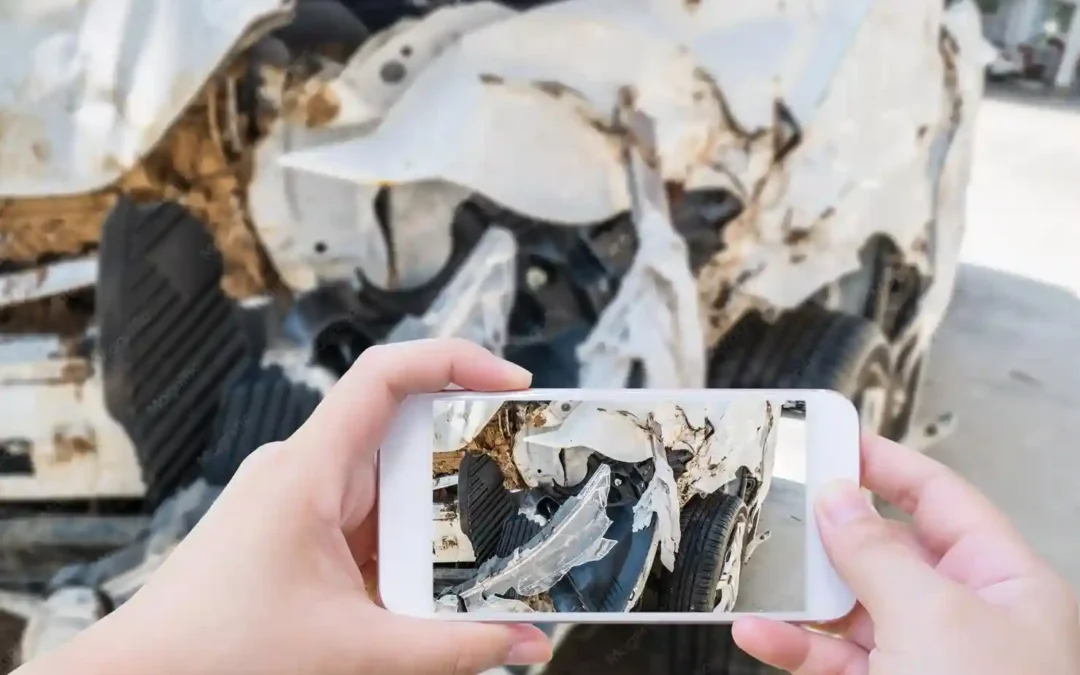
- Damaged, Non-Running & Salvage/Write-Off Vehicles
- Electric & Hybrid Vehicles: A Growing Category
- What Scrap Yards Typically Won’t Take
- Vehicle Types Accepted — Quick Reference Table
- Frequently Asked Questions
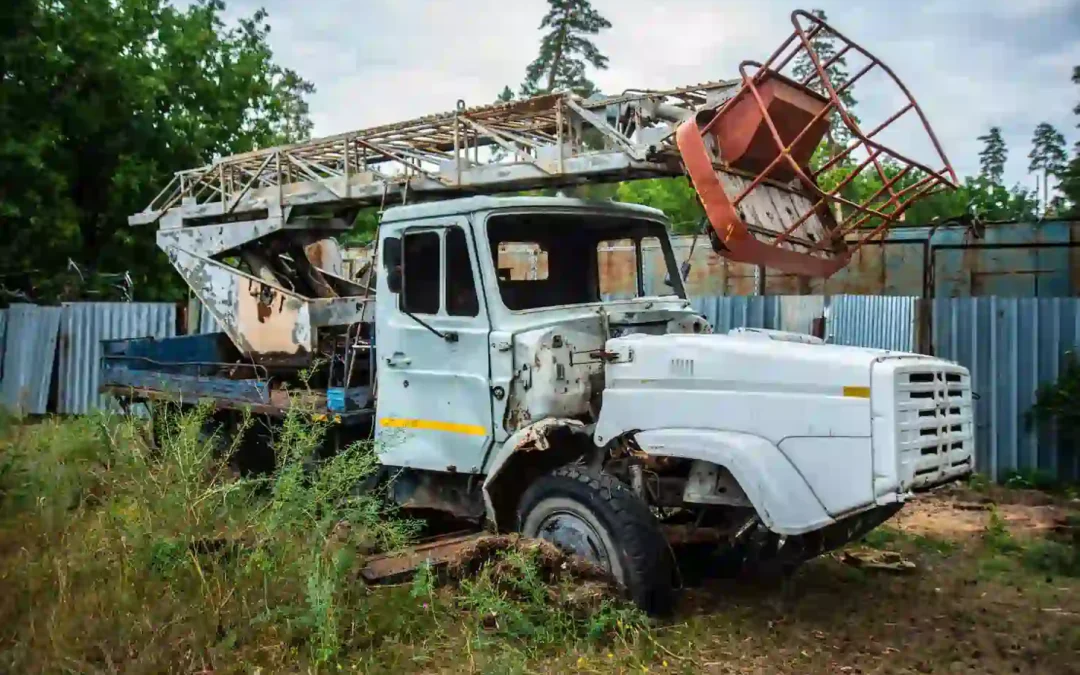
Scrap car buyers in Toronto buy almost every category of motor vehicle — sedans, hatchbacks, SUVs, crossovers, minivans, pickup trucks, cargo vans, box trucks, commercial fleet vehicles, motorcycles, ATVs, and a fast-growing share of hybrid and electric vehicles. This includes vehicles that run and vehicles that don’t, accident write-offs, flood-damaged cars, and anything branded “Salvage” or “Irreparable” under Ontario’s Highway Traffic Act. The main vehicles a licensed buyer will turn away are ones with an active stolen-vehicle flag, an unresolved lien, or no proof of ownership at all.
If you’ve been asking yourself what vehicles scrap car buyers accept before picking up the phone, the real answer goes well past “old cars nobody wants.” Below, we break down exactly what a scrap car buyer buys, category by category, with the Ontario-specific rules that decide whether your vehicle qualifies — and what happens to it once it’s gone.
Passenger Cars: Sedans, Hatchbacks & Coupes
The types of vehicles scrap yards buy in the GTA start with the vehicle everyone pictures first: the everyday passenger car. This covers compact sedans, mid-size family cars, hatchbacks, coupes, and station wagons from every major manufacturer — Honda, Toyota, Ford, Chevrolet, Nissan, Hyundai, Volkswagen, and beyond.
Condition doesn’t disqualify a passenger car. Buyers regularly pick up:
- High-mileage vehicles that no longer pass a safety inspection
- Cars with blown engines, failed transmissions, or electrical faults
- Rust-damaged vehicles common after Ontario winters
- Older cars that are simply no longer worth repairing
Age isn’t a barrier either. A 2005 Corolla and a 2022 Civic are both scrapable; the payout differs based on weight, metal content, and resale-worthy parts like the engine, transmission, catalytic converter, and infotainment components.
SUVs, Crossovers & Minivans
Among all scrap car buyers, Toronto vehicle types, SUVs, and crossovers now make up one of the largest shares of vehicles picked up each week — a direct reflection of how many Ontario households switched from sedans to SUVs over the past decade. Compact crossovers, mid-size SUVs, and full-size truck-based SUVs are all accepted, running or not.
Minivans fall into the same bucket. Family minivans and cargo minivans are in steady demand because their engines, transmissions, and sliding-door mechanisms hold strong resale value in the used-parts market. A non-running Odyssey or Sienna is just as scrapable as a running one — the tow is typically arranged free of charge either way.
Pickup Trucks & Light-Duty Trucks
If you’re wondering what junk car buyers take when it comes to trucks, the answer spans the full range: compact pickups, half-ton trucks, three-quarter-ton trucks, and one-ton dually trucks. This includes:
- Regular cab, extended cab, and crew cab configurations
- Gas and diesel drivetrains
- Trucks with box damage, frame rust, or non-functional beds
- Older work trucks retired from landscaping, construction, or delivery use
Trucks tend to score higher payouts than passenger cars of similar age because of their heavier steel content and the demand for used truck engines, transmissions, and differentials.
Commercial, Fleet & Heavy-Duty Vehicles
Businesses across Toronto and the GTA regularly retire commercial vehicles, and reputable buyers handle these too. This category includes cube vans, cargo vans, box trucks, delivery vehicles, and small fleet vehicles used by contractors, couriers, and local businesses.
Commercial pickups sometimes require a separate quote because of vehicle weight, drivetrain complexity (diesel engines, air brakes, hydraulic lift gates), and access logistics — a cube van parked in a loading dock isn’t the same job as a sedan in a driveway. If your business is retiring a single vehicle or an entire small fleet, a scrap car removal service in Toronto can typically arrange bulk pickups on a schedule that doesn’t disrupt operations.
For businesses retiring multiple vehicles or dealing with CVOR, corporate signing authority, or HST treatment, see our full guide: Requirements for Scrapping a Commercial Vehicle in Ontario
Motorcycles, ATVs & Powersports
Two-wheeled and off-road vehicles are also part of what a buyer purchases, though Ontario treats them a little differently on paper. Motorcycles, dirt bikes, ATVs, and snowmobiles are accepted in both running and non-running condition.
One detail worth knowing: under Ontario’s Mandatory Vehicle Branding Program, the “Salvage” and “Rebuilt” brands don’t apply to motorcycles the way they do to cars. A damaged motorcycle with frame damage is branded “Irreparable” outright, meaning it can never be re-licensed for road use in Ontario — it can only be sold for parts or scrap. That makes motorcycles one of the more straightforward vehicle types to scrap, since there’s no ambiguity about repair eligibility once that brand is applied.
Damaged, Non-Running & Salvage/Write-Off Vehicles
This is where a lot of vehicle owners assume their car is “too far gone” to be worth anything — and that assumption is almost always wrong. The full list of vehicles accepted for scrap by Toronto buyers includes every branding category recognized under Ontario’s Highway Traffic Act:
- None — no damage history requiring a brand
- Salvage — a total-loss vehicle with damage to a structural assembly that could still be repaired and re-inspected
- Rebuilt — a formerly salvage vehicle that has since passed a structural inspection
- Irreparable — damage so severe (often flood or fire damage) that the vehicle can never be licensed again and is legally limited to parts or scrap use
So, what cars can you scrap in Ontario? Realistically, all four of the categories above. If you’re considering purchasing one of these branded vehicles secondhand rather than scrapping it, see our full breakdown of the risks, costs, and red flags of buying a salvage title car in Ontario before you commit to a deal. Whether your insurance company wrote your car off after a collision, it flooded during a storm, or it’s simply been sitting non-running in a driveway for two years, it qualifies.
Licensed auto recyclers in Ontario must be registered through the province’s Environmental Activity and Sector Registry (or hold a site-specific Environmental Compliance Approval) to legally process end-of-life vehicles, which means the depollution, fluid removal, and parts recovery happen under regulated conditions rather than informally. Once your vehicle is processed, a properly licensed buyer will issue a Certificate of Destruction confirming it has been permanently removed from the road — a document worth requesting before you hand over the keys. You can review the full branding definitions directly on Ontario’s Mandatory Vehicle Branding Program page and the province’s end-of-life vehicle registration requirements.
To see how these factors turn into real offers, read how much you can get for a car that doesn’t start
Also Read: Do Ontario Scrap Yards Buy Non-Running Cars?
Electric & Hybrid Vehicles: A Growing Category
This is the fastest-changing part of the scrap vehicle market, and it deserves more attention than most guides give it. Hybrids — Priuses, Civic Hybrids, RAV4 Hybrids — have been part of the scrap stream for years, and their nickel-metal-hydride or lithium-ion battery packs are now routinely removed, tested, and either resold for second-life use or recycled for raw materials.
Fully electric vehicles are newer to the category but arriving quickly, since EVs made up a meaningful share of new vehicle registrations in Canada over the past two years. A few things make EVs distinct from a gas-powered scrap car:
- The battery pack must be handled as a regulated product. Transport Canada classifies EV batteries as dangerous goods, so they can’t simply be pulled and tossed in a scrap bin — they require proper packaging and transport by a qualified handler.
- Ontario doesn’t yet have EV-specific end-of-life rules, unlike some other provinces exploring extended producer responsibility programs for batteries. In the absence of a provincial mandate, industry-led programs have stepped in.
- A national industry program now exists. A coordinated EV Battery Recovery Program, backed by more than a dozen vehicle manufacturers and run through established battery-recycling networks, launched in 2025 to collect end-of-life packs from dismantlers, recyclers, and dealerships across the country and route them toward reuse, repurposing, or material recovery.
In practical terms, this means a non-running Tesla, Leaf, Bolt, or plug-in hybrid is scrappable — the vehicle body and drivetrain get processed like any other car, while the battery follows a separate, more tightly controlled path. If you’re scrapping an EV or hybrid, mention it upfront so the buyer can arrange proper battery handling as part of the pickup.
Also Read: Do scrap car buyers in Toronto handle electric or hybrid vehicles?
What Scrap Yards Typically Won't Take
Do scrap yards buy all vehicles? Not quite — but the exceptions are narrower than most people expect. A licensed buyer will generally pause or decline a pickup if:
- The vehicle has an active stolen-vehicle flag on the province’s Vehicle Registration System (this can only be cleared by police, not by the owner or the buyer)
- You cannot provide the vehicle permit (ownership) or a valid government-issued photo ID
- There’s an unresolved lien and no release letter from the lender
- The vehicle is a trailer, farm tractor, or road-building machine that falls outside standard passenger and commercial vehicle categories — these sometimes require a specialized buyer
None of these is a permanent roadblock in most cases. A replacement vehicle permit costs a small fee at any ServiceOntario centre, and lien issues are usually resolved with a short letter from the lender. Once the paperwork is in order, Scrap Car Buyer Toronto can move forward with pickup the same or next day.
If a buyer has already declined your vehicle, compare the junk car buyers that accept all vehicle conditions and what each type will and won’t take
If your vehicle has an active lien, it’s not a dead end — see Can I Scrap a Car with a Lien in Ontario? For the exact steps, including what to do if the scrap value doesn’t cover the loan balance.
Specialty & Uncommon Vehicle Types: RVs, Trailers, Farm Equipment & Kit Cars
Most vehicle-type guides stop at cars, trucks, and motorcycles — but a fair number of calls scrap buyers in Toronto field involve vehicles that don’t fit neatly into any of the categories above. These aren’t necessarily rejected; they just follow a different intake process.
| Vehicle Type | Accepted? | Key Consideration |
|---|---|---|
| RVs & motorhomes | Yes, chassis and drivetrain | Propane tanks, onboard fridges (some use ammonia-based cooling units), and waste holding tanks need to be drained and handled separately before the vehicle is crushed — flag this upfront so the right equipment is booked |
| Utility & cargo trailers | Usually yes | Light trailers under Ontario’s registration weight threshold may never have carried an MTO ownership permit in the first place — a bill of sale can sometimes stand in for a vehicle permit; confirm with the buyer before towing |
| Travel trailers / boat trailers | Usually yes | Registered the same way as utility trailers when over the weight threshold; the boat or camper body itself is a separate item and isn’t part of a “scrap car” quote |
| Farm tractors & combines | Not through a standard buyer | These fall outside passenger/commercial categories and are typically valued by component (engine, hydraulics, tires) rather than a flat weight quote — a specialized agricultural equipment recycler is usually the right call, and low-boy transport replaces a standard flatbed |
| Kit cars & replica vehicles | Yes, with extra documentation | Ontario registers these as Special Interest Vehicles, and the VIN trail can involve a Manufacturer’s Statement of Origin or a reassigned VIN from the donor vehicle — have this paperwork ready, since it’s not a standard permit transfer |
| Grey-market & JDM imports | Yes | Scrapping itself is straightforward, but confirm the vehicle was properly cleared through the Registrar of Imported Vehicles (RIV) — an incomplete import history can complicate the ownership transfer step even though the car itself is fully scrappable |
The common thread: none of these are turned away for being “too unusual.” They just need a phone call where you mention the vehicle type upfront, so the buyer sends the right equipment and asks for the right paperwork the first time.
Myth vs. Reality: What People Get Wrong About Vehicle Eligibility
A lot of the hesitation around scrapping a vehicle comes from outdated or half-right assumptions. Here’s what actually holds up.
| Myth | Reality |
|---|---|
| A leased vehicle can’t be scrapped | It can — but the payout routes to the leasing company first, since they hold title. The lessee typically only sees money if there’s a residual/buyout arrangement in place. |
| Aftermarket mods (lift kits, turbo kits, custom exhaust) increase the offer | Payout is driven by weight, metal content, and resale-worthy stock parts. Non-OEM parts are often harder for a recycler to resell and can add liability rather than value. |
| You need a working odometer or mileage disclosure to scrap a car | That’s a resale requirement for putting a car back on the road — not a recycling requirement. A non-functioning odometer doesn’t block a scrap transaction. |
| A missing or stolen catalytic converter disqualifies the vehicle | It lowers the quote, since the converter is one of the highest-value resale parts — but it doesn’t disqualify the car. Given how common catalytic converter theft has gotten in Toronto, this comes up often. |
| A visibly damaged EV battery means the car gets refused outright | It triggers a different intake protocol — isolation procedures, a thermal monitoring window, and hazmat-certified transport — rather than a flat refusal. It takes longer to arrange, but it’s not a dead end. |
Why an "Accepted" Vehicle Can Still Get Turned Away on Pickup Day
Vehicle-type eligibility is only half the picture. A car can check every box above and still get re-quoted or delayed at the curb because of what shows up on pickup day. For access issues like tight driveways or underground parking, see our guide on scrapping a non-running car — but a few less-obvious causes rarely get mentioned anywhere:
| Scenario | Why It Happens | How to Avoid It |
|---|---|---|
| Active fluid leaks | Gasoline, oil, or coolant actively dripping is treated differently than a simply non-running car — it can delay loading or require containment before the vehicle is moved | Mention any active leak when booking, and place a drip pan or cardboard underneath if you can before pickup |
| Dead battery + electronic shifter or AWD | Many modern vehicles can’t be shifted into neutral without electrical power, which complicates a winch job on a car that won’t start | Flag the no-start condition upfront so the crew brings a jump pack or the right towing equipment |
| Undisclosed hazards | Undeployed airbags, pest infestation, or hoarded contents in a long-parked vehicle are safety issues for the tow crew, not just condition issues | Do a quick walkthrough before pickup and disclose anything unusual — most crews are trained to pause rather than refuse outright |
| Winter-specific issues | Frozen brake lines and snow-blocked driveways are a routine, rarely-discussed cause of rescheduled pickups in Ontario winters | If booking in winter, mention driveway/street conditions so the crew plans equipment and timing accordingly |
None of this is a reason to assume your vehicle will fall through — it’s simply why giving a buyer the full picture upfront, not just make/model/year, gets pickup done in one visit instead of two.
Vehicle Types Accepted — Quick Reference Table
| Vehicle Category | Examples | Condition Accepted | Ontario-Specific Notes |
|---|---|---|---|
| Passenger Cars | Sedans, hatchbacks, coupes, wagons | Running or non-running | Standard ownership transfer on the vehicle permit |
| SUVs & Crossovers | Compact to full-size SUVs | Running or non-running | High demand for resale parts |
| Minivans | Family and cargo minivans | Running or non-running | Engine/transmission resale value |
| Pickup Trucks | Compact to 1-ton dually | Running or non-running | Higher payout from steel content |
| Commercial/Fleet | Cube vans, box trucks, delivery vehicles | Running or non-running | May need a separate weight-based quote |
| Motorcycles & Powersports | Motorcycles, ATVs, dirt bikes, snowmobiles | Running or non-running | Only the “Irreparable” brand applies to damaged motorcycles |
| Salvage/Write-Off Vehicles | “Salvage,” “Rebuilt,” “Irreparable”-branded cars | Any condition | Brand must match the MTO/UVIP record |
| Flood or Fire-Damaged | Any make/model | Non-running, usually “Irreparable” | Cannot be re-licensed in Ontario |
| Electric & Hybrid Vehicles | EVs, plug-in hybrids, hybrids | Running or non-running | The battery pack requires regulated handling |
Conclusion
The range of vehicles accepted by scrap buyers in Toronto is far wider than most owners assume. Whether you’re holding the keys to a 15-year-old sedan, a work van that’s aged out of your fleet, a motorcycle branded Irreparable, or a hybrid that’s finally given up its transmission, there’s almost certainly a place for it. Condition, mileage, and even a total-loss insurance write-off rarely take a vehicle off the table — what matters most is having your ownership documents in order before pickup day.
If you’re ready to find out what your vehicle is worth, get a free, no-obligation quote and cash for your scrap car directly from a licensed Toronto buyer.
Frequently Asked Questions
Q1. What types of vehicles do scrap car buyers buy?
Nearly every category: sedans, SUVs, crossovers, minivans, pickup trucks, commercial vans, motorcycles, ATVs, and both hybrid and electric vehicles. Condition — running, non-running, damaged, or written off — doesn’t disqualify a vehicle on its own.
Q2. What cars can you scrap in Ontario?
Any car carrying a brand of None, Salvage, Rebuilt, or Irreparable under the Highway Traffic Act can be scrapped, as long as you hold the vehicle permit or ownership documents. This applies whether the damage came from an accident, flood, fire, or simple mechanical failure.
Q3. Do scrap yards buy all vehicles?
Almost all — the exceptions are vehicles flagged as stolen, vehicles with no proof of ownership, and vehicles carrying an unresolved lien. These are documentation issues rather than condition issues, and most can be resolved quickly through ServiceOntario or your lender.
Q4. What does a scrap car buyer buy if the vehicle doesn't start or move?
Non-running vehicles are actually one of the most common pickups. Most buyers, including Scrap Car Buyer Toronto, include free towing regardless of whether the car can be driven onto the truck or needs to be winched.
Q5. Are electric and hybrid vehicles accepted for scrap in Toronto?
Yes. Hybrid batteries have been part of the recycling stream for years, and EV batteries now flow through an industry-coordinated recovery program launched in 2025. Let the buyer know in advance so the battery pack can be handled correctly during pickup.
Q6. What junk car buyers take when there are no license plates or a safety certificate?
Neither is required to scrap a vehicle. Plates belong to the owner (not the car) and are returned separately to ServiceOntario, and a safety certificate is only needed when a vehicle is being re-licensed for road use — not when it’s headed for recycling.
Q7. Do scrap buyers take RVs, trailers, or farm equipment?
RVs and most trailers, yes — with propane and holding-tank systems handled separately from the chassis. Farm tractors and combines generally need a specialized agricultural recycler rather than a standard scrap car buyer.
Q8. Why would a buyer change the quote or delay pickup on an "accepted" vehicle?
Usually a curbside factor, not an eligibility issue — an active fluid leak, a dead battery on a car that needs to be in neutral, an undisclosed hazard, or winter access conditions. Disclosing these when booking avoids a second trip.
Related Posts
Buying a Salvage Title Car in Ontario: Risks, Costs & Red Flags
Table of Contents What Is a Salvage Title on a Car? Ontario\'s Vehicle Brands: Salvage vs. Rebuilt vs. Irreparable Why a Car Gets Branded Salvage in the First Place Going From Salvage to Rebuilt: The Ontario Process Where Salvage Title Cars Come From: Auctions in Ontario The Real Risks of…
Title Jumping in Ontario: What Every Car Seller Needs to Know
Table of Contents What Is Title Jumping? Is Title Jumping Illegal? Is It a Crime? How to Properly Transfer Car Ownership in Ontario What Happens If You Don\'t Transfer Ownership If the Seller Won\'t Transfer the Title How to Report Suspected Title Jumping or Fraud How to Avoid Title Jumping…
Vehicle Bill of Sale Ontario: Why It’s Important & How to Get One
Table of Contents What Is a Vehicle Bill of Sale? Why a Bill of Sale Is So Important in Ontario Ontario\'s Legal Requirements Where to Get a Bill of Sale in Ontario How to Write a Bill of Sale for a Vehicle Bill of Sale vs. Car Sale Purchase Agreement…
The Certificate of Destruction: Your Legal Proof When a Car Is Scrapped
Table of Contents What is a certificate of destruction? Why Do You Need a Certificate of Destruction? Certificate of Destruction in Ontario: RPRA vs. EASR Do I Need a Certificate of Destruction to Scrap My Car in Ontario? What Documents Do I Need to Scrap My Car in Canada? What…

Free Ontario Used Vehicle Bill of Sale Template (2026)
Table of Contents What Is a Bill of Sale, and Do You Actually Need One in Ontario? What has to be on a Used Vehicle Bill of Sale As-Is vs. Certified - Which Box Do You Check? How to Fill Out a Used Vehicle Bill of Sale Not Selling Privately?…
What Is a Scrap Transmission Worth in Canada?
Table of Contents How Much Is a Transmission Worth for Scrap in Toronto? Scrap Transmission Price Per Pound in Ontario Aluminum vs. Steel Transmission Scrap Price Automatic vs. Manual vs. CVT Scrap Value How Much Do Transmissions Weigh? Scrap Value vs. Transmission Cost What Affects the Price? Where to Sell…
What Is an Electric Motor from a Scrap Car Worth in Canada?
Table of Contents How Much Is an Electric Motor from a Scrap Car Worth Right Now? Car With a Blown Motor vs. Selling Electric Parts Separately What Actually Drives Electric Motor Scrap Prices Electric Motors Found in a Car — and What Each One Is Worth Who\'s Asking This, and…
Catalytic Converter Theft Is Hitting Toronto Hard — What to Do If Yours Is Targeted
Table of Contents Why Toronto Is a Hotspot for Catalytic Converter Theft How to Tell If Your Catalytic Converter Was Stolen Will your car start if someone steals your catalytic converter? What should I do if someone steals my catalytic converter? Why Catalytic Converters Are Stolen (And What Thieves Do…

Where to find customer reviews for scrap car parts retailers in Canada?
Table of Contents Why Review Research Matters Before You Sell to a Scrap Yard Best Websites to Read Scrap Yard Reviews Are Google Reviews Reliable for Auto Salvage Yards? Is BBB Good for Checking Scrap Car Buyers? How Do I Know If a Scrap Yard Is Legit? What to Look…
The “Bait-and-Switch” Scrap Car Scam Costing Toronto Drivers Hundreds
Table of Contents What Is a Bait-and-Switch Scrap Car Scam? How It Actually Plays Out Why the Price Drops on Arrival Is It Legal for a Buyer to Change the Price at Pickup? Licensed vs. Unlicensed Scrap Car Buyer in Toronto What Actually Determines a Fair Scrap Value Signs of…