
Updated – 29-07-2026
Table of Contents
- Introduction
- What Counts as Abandoned
- How Long Before a Car Is Legally Considered Abandoned in Ontario?
- What happens on public roads
- Abandoned Vehicles On Private Property in Ontario
- Fines and Costs of Abandoning a Vehicle
- Environmental Risk of Abandoned Vehicles
- Why Do Authorities Take Abandoned Vehicles Seriously
- Reporting the issue
- What happens if it sits too long
- Safer alternatives to abandoning a vehicle
- Why scrapping is often the best option
- Frequently Asked Questions
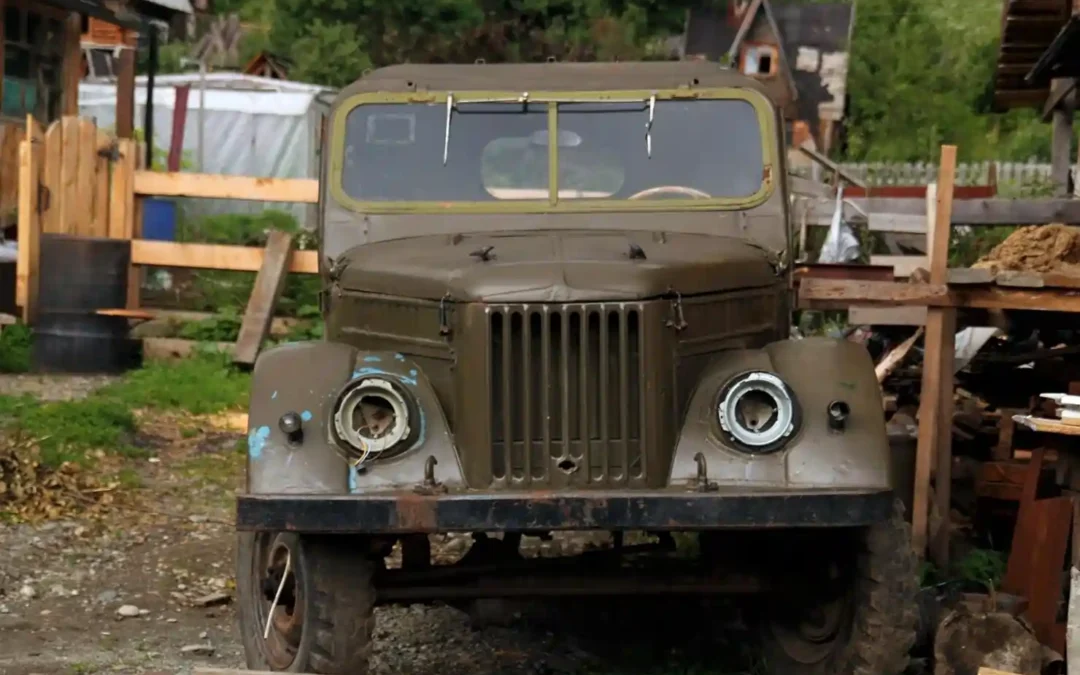
Leaving a car abandoned in Canada is not as consequence-free as it might seem. Depending on where the vehicle sits, the registered owner can face tickets, towing bills, daily storage charges, and in some cases, liability for environmental damage even after the car has been removed. In Ontario, the rules are especially strict on public streets and private property, so the safest move is to deal with the vehicle before it becomes a complaint, a bylaw issue, or a costly impound case — starting with properly deregistering it once it’s gone.
Quick answers
How long until a car is “abandoned” in Ontario? There’s no province-wide number of days. Cities act on condition and complaints (flat tires, missing plates, damage, a car that hasn’t moved), and timing varies by municipality.
Can I keep or claim it if it’s on my property? Not automatically. Sitting on your land doesn’t make it yours, and driving, selling, or scrapping it before the proper process is done can expose you to legal risk.
Who deals with it? On a public street, the city tags, notifies, and tows. On private property, a bylaw complaint comes first, then a notice period, then removal. In Toronto, report it through 311.
Is it your car? A licensed scrap buyer can collect it before it gets tagged and pay you for it.
Introduction
Most people assume an old car can sit quietly for a few weeks without causing any real trouble. In practice, that window closes faster than expected, especially in Ontario, where public streets and private property both come with clear enforcement rules.
The key distinction is between a car that is simply not being driven and one that has become derelict, inoperable, or left somewhere without the property owner’s permission. Those two situations are treated very differently under municipal bylaws and provincial rules, and the line between them can be crossed without the owner realising it.
This guide covers what actually happens when a vehicle is left abandoned in Canada, what Ontario owners specifically need to know, and what options exist if the car is no longer worth keeping before the situation becomes a bylaw complaint, an impound case, or an unexpected bill.
What Counts as Abandoned
Most people assume an old car can sit quietly for a few weeks without trouble. In Ontario that window can close quickly, because public streets and private property both come with enforcement rules.
The key distinction is between a car that is simply not being driven and one that has become derelict, inoperable, or left somewhere without the property owner’s permission. Municipal bylaws treat the two very differently, and an owner can cross the line without realizing it.
This guide covers what happens at each stage, whether you can claim or keep a vehicle left on your property, how to report one, and what to do if the car is yours and you’d rather scrap it than wait for a complaint.
Derelict vs. Dilapidated vs. Abandoned: What's the Difference?
Abandoned describes the fact that no one is maintaining or returning to the vehicle — it’s about presence, not condition.
Derelict describes condition: wrecked, inoperable, or stripped of parts. Bylaws use different wording for it. Toronto’s waste bylaw (Municipal Code Chapter 548) refers to an “inoperative” vehicle, one with missing, damaged, or deteriorated parts, or any condition that may stop it from running. Trailers are covered too: Toronto’s property standards bylaw (Chapter 629) names trailers alongside wrecked, discarded, dismantled, inoperative or abandoned vehicles in parking and storage garages.
Dilapidated is an everyday word for the same visible decay — rust, broken windows, flat tires — but it’s rarely the exact legal term you’ll find written into a bylaw.
In practice, cities enforce against derelict or inoperative vehicles, even though most people searching for help say “abandoned.”
How Long Before a Car Is Legally Considered Abandoned in Ontario?
There’s no single province-wide number of days — Ontario doesn’t set one universal legal clock. But there is a workable pattern once you separate public roads from private property.
On a public street or highway, timing varies by municipality. Some can tag a vehicle within days of a complaint, and towing can follow if the tag is ignored. Check your city’s parking or traffic bylaw for the exact rule.
On private property, there’s no automatic timer. The process usually starts only after a bylaw complaint triggers an inspection, and from there a notice period applies before removal can be enforced — commonly anywhere from a few days to a few weeks, depending on the municipality’s property standards bylaw.
| Location | Typical timeline before action | What starts the clock |
|---|---|---|
| Public street or highway | Varies by city; can be days after a complaint | An officer tags the vehicle after a complaint or inspection |
| Private property (reported) | Days to a few weeks | A bylaw complaint triggers an inspection and notice |
| Left for months or years | No fixed limit — treated as abandoned regardless of timing | Condition (flat tires, no plates, visible neglect) becomes the deciding factor |
These are general patterns, not a fixed legal deadline. Exact timelines vary by city, so confirm with your local municipality’s bylaw office if you’re dealing with a specific case.
In Toronto, a derelict vehicle in a yard area (including a driveway or front, side or back yard) falls under Municipal Code Chapter 548, while one in a parking or storage garage falls under Chapter 629 (Property Standards). Both are reported through 311, online or by phone. Toronto also limits towing from private property: an operator generally can’t tow without the owner’s consent unless the vehicle carries a penalty notice and a Toronto Police Service tow card issued by a municipal law enforcement officer (Chapter 915).
What happens on public roads
When a car is left on a public street, highway, or other public space, authorities can treat it as a safety or nuisance issue. In many cases, the process starts with a tag or notice. If the vehicle is not moved, it may be ticketed, towed, and stored at the owner’s expense.
This matters because a vehicle that is left in a visible public location is much easier to report. Once that happens, enforcement officers can check the plates, VIN, and registration records to identify the registered owner. That means the problem usually does not stay anonymous for long.
Most Ontario cities take reports of vehicles on public streets through 311 or the bylaw or parking enforcement office.
Abandoned Vehicles On Private Property in Ontario
The term “abandoned vehicle on private property in Ontario” is a big search topic for a reason. Many people first notice a vehicle sitting in a driveway, parking lot, laneway, or beside a house and wonder what they can legally do about it.
In Ontario, local bylaws and property standards rules often come into play. If the car is wrecked, inoperative, dismantled, or clearly left behind, the city or property owner may be able to report it and request enforcement. In Toronto, a derelict vehicle in a yard area falls under Municipal Code Chapter 548 (Waste), and one in a parking or storage garage falls under Chapter 629 (Property Standards). Both are reported through 311.
This is especially important for landlords, condo boards, and homeowners. A car left on someone else’s property can create tension, limit access, and become a liability issue if it is not addressed through the right process.
Can You Legally Claim or Keep an Abandoned Vehicle Left on Your Property?
Not right away, and not just by leaving it where it is. A car sitting on your land for months doesn’t become yours. You can’t simply drive, sell, strip, or scrap it as if it were yours, because the registered owner or a lienholder may still have a claim to it.
In broad strokes, that process usually looks like:
1. Report it to police or bylaw so there’s a record protecting you if the registered owner later disputes what happened.
2. Identification — the plate and VIN are used to trace the registered owner.
3. A notice/waiting period, during which the owner or a lienholder can still come forward and claim it.
4. If unclaimed, a licensed towing and storage operator processes it under Ontario’s towing and storage rules for unclaimed vehicles.
5. Only after that does a legal path to disposal (or, in limited cases, ownership) open up. The route depends on your situation, so confirm with ServiceOntario or a lawyer before you act.
If you’d rather skip that process, here’s how to legally remove an abandoned vehicle from private property in Ontario.
Can you unlock, start, or move it? Not without the owner’s permission. Doing so before the reporting and notice process is complete creates legal risk, even on your own land.
What about a trailer? Same process: report it, let the notice period run, and don’t remove it yourself.
Fines and Costs of Abandoning a Vehicle
The financial impact can be bigger than most people expect. Penalties may include a municipal ticket, towing fee, daily storage fee, administrative costs, and the cost of reclaiming the vehicle. Fines and fees vary by municipality and by the bylaw or statute involved, so check your city’s bylaw for current figures.
If a car is left in a way that creates a problem for the city or for private property enforcement, the bill can add up quickly. That is one reason why abandoning a car in a public or unauthorized spot is such an expensive mistake. Once towing and storage begin, the value of an old car can disappear fast, especially if the car is already damaged or non-running.
Environmental Risk of Abandoned Vehicles
An abandoned vehicle is not just a parking problem; it can also become an environmental issue. In some municipalities, for example, environmental‑protection or property‑standards bylaws allow authorities to issue tickets or require cleanup if leaked fluids are found coming from a vehicle left on a street or lot. That can expose the owner to more than just towing costs if local authorities investigate the damage.
This is one reason governments and recyclers push proper disposal instead of abandonment. If a car has reached end-of-life, the safer approach is to remove it through a licensed process rather than letting it sit until it becomes a complaint or a hazard. That is especially true in urban areas where cars abandoned on streets or lots are easier for neighbors and bylaw officers to notice.
A damaged or partly dismantled car can also invite vandalism or theft.
Also Read: What are the Regulations for Scrapping Vehicles In Ontario?
Reporting the issue
If a vehicle appears to have been left behind, report it through your municipality. In Toronto, use 311, online or by phone. In other Ontario cities, contact bylaw enforcement, parking enforcement or the property standards office, or your city’s 311 line. Call police if the vehicle is blocking traffic, a hazard, or possibly stolen.
Before reporting, it helps to note:
- The exact location
- The licence plate, if visible
- The make, model, and colour
- How long it appears to have been there, and when you first noticed it
- Whether it’s on public or private property
- A few dated photos
That information helps the city decide whether the car is truly abandoned or just parked and not moved often.
Need It Removed From Scarborough, Markham, or North York?
If reporting feels too slow and you just need the vehicle gone, we also handle abandoned car and scrap vehicle removal across Scarborough, Markham, Thornhill, and North York — free towing, no obligation.
What happens if it sits too long
A vehicle that sits for a long time often becomes expensive to recover. Tires may fail, the battery dies, fluids degrade, rust spreads, and the vehicle can become unsafe to start or move. If it is left outside through winter, the damage can be even worse.
This is why people who ask how long a car can be left unused are often really asking when the vehicle crosses from “stored” to “problematic.” There is no single answer for every case, but the longer it sits, the more likely it is to create legal, mechanical, and financial issues.
If the vehicle is left for years, the situation usually becomes much harder to reverse. At that point, the car may be worth only scrap value, parts value, or nothing at all if it is badly deteriorated
Safer alternatives to abandoning a vehicle
If the car is no longer worth repairing, the best option is usually not to leave it sitting. Instead, you can sell it, scrap it, donate it, or have it removed legally.
For Toronto and the GTA, you can use a licensed scrap car removal service that pays based on the vehicle’s condition. For example, services like Scrap Car Buyer Toronto offer scrap car removal, junk car removal, and cash‑for‑scrap‑car options on a local level.
That route is often better because it solves the problem legally and quickly. It also avoids the costs and uncertainty of reporting, towing, or enforcement.
The safer route is a proper scrap sale, which also closes out your insurance obligations — see How to Cancel Your Car Insurance After Scrapping Your Car in Ontario
Key Points at Glance
| Situation | Likely outcome | Main risk |
|---|---|---|
| Left on a public street | Tag, ticket, tow | Fines and storage fees |
| Left on private property in Ontario | Bylaw complaint, possible removal | Legal notice and towing |
| Left for months or years | Derelict or abandoned vehicle process | Disposal or impound costs |
| Left leaking fluids | Environmental concern | Cleanup liability |
In Toronto, a derelict vehicle in a yard (Chapter 548) or a garage (Chapter 629) can be reported through 311, which can lead to a notice, removal, or disposal if the owner doesn’t respond.
Why scrapping is often the best option
If a car is already at the end of its life, scrapping it usually makes more sense than letting it sit. A licensed buyer can remove it, handle the paperwork, and pay based on condition and value. That is much safer than waiting for a complaint or enforcement action.
For many owners, the real issue is not whether the car still has some value. It is whether keeping it longer creates more cost than it is worth. In those cases, turning it into cash is often the practical answer.
Sources and further reading
- City of Toronto: derelict vehicles on private property (311)
- Toronto Municipal Code Chapter 915: Parking on Private or Municipal Property
- Toronto Municipal Code Chapters 548 (Waste) and 629 (Property Standards)
Last reviewed: October 2026. Rules and timelines vary by municipality, so confirm with your local bylaw office.
Conclusion
If a car is no longer worth keeping, scrapping it legally is often the most practical option. This avoids the risk of fines, towing, and storage fees, and also helps prevent environmental damage. Licensed scrap car removal services in Ontario can handle pickup, paperwork, and recycling, and some even pay cash based on the vehicle’s condition. For owners in Toronto and the GTA, services like Scrap Car Buyer Toronto provide this type of solution, but you can also explore local junkyards, donation programs, or private sale options, depending on your situation
Frequently Asked Questions
Q1. How long does a car have to sit before it's considered abandoned in Ontario?
There’s no single province-wide number of days. Cities act on conditions and complaints. In some municipalities, a vehicle on a public street can be tagged and towed within days of a complaint. On private property, a bylaw complaint triggers an inspection and a notice period that can run from a few days to a few weeks, depending on the city.
Q2. Can I claim or keep an abandoned vehicle left on my property?
Not automatically. A car sitting on your land doesn’t become yours. You generally need to report it, have the owner identified, and let the notice period run before a licensed towing and storage operator can process it as unclaimed. Only then does a legal path to disposal or, in limited cases, ownership open up. Confirm the right route with ServiceOntario or a lawyer first.
Q3. Can I unlock, start, move or take an abandoned car?
Not without the owner’s permission. Doing any of these before the reporting and notice process is complete can create legal risk because the registered owner or a lienholder may still have a claim, even if the car is on your own property.
Q4. Who is responsible for an abandoned vehicle, the owner or the property it's on?
The registered owner generally remains responsible for fines, towing, and storage costs, even after removal. The property owner’s role is to report it and cooperate with the process, not to cover the underlying penalties.
Q5. How do police find the owner of an abandoned car?
Usually, the licence plate and VIN are checked against registration records. If the plates are missing, tracing the owner takes longer and may rely on the VIN alone.
Q6. What's the difference between derelict, dilapidated and abandoned?
Abandoned describes the fact that no one is maintaining or returning to the vehicle. Derelict describes its condition: wrecked, inoperable, or stripped of parts. Bylaws use varied wording (Toronto’s waste bylaw says “inoperative vehicle”). Dilapidated is an everyday word for the same visible decay, but not usually the legal term.
Q7. How do I report an abandoned vehicle, and what should I have ready?
In Toronto, use 311 online or by phone. In other Ontario cities, contact bylaw enforcement, parking enforcement or property standards, or your city’s 311 line. Have the exact location, plate if visible, make, model, and colour, how long it’s been there, whether it’s on public or private property, and dated photos. Call the police if it’s blocking traffic, hazardous, or possibly stolen.
Q8. What happens to an abandoned trailer on my property?
It follows the same path as a car: report it to your municipality, let the notice period run, and don’t tow or remove it yourself. Toronto’s property standards bylaw names trailers alongside wrecked, inoperative, or abandoned vehicles in parking and storage garages.
Q9. Is it bad to leave a car sitting for 2 months?
It may not be abandoned yet, but problems start fast, especially outdoors: the battery drains, tires flatten, fluids degrade, and rust spreads. The longer it sits, the more likely it is to draw a complaint or become expensive to recover.
Q10. What happens to a car that sits for 10 years?
Once anyone complains, it will almost certainly be treated as derelict or abandoned, and the registered owner stays responsible for fines, towing, and storage. Mechanically, it will likely have failed tires, battery, and fluids, so it’s usually worth only scrap or parts value. If you own it and have the ownership documents, a licensed scrap buyer can tow it away regardless of condition.
Related Posts
Buying a Salvage Title Car in Ontario: Risks, Costs & Red Flags
Table of Contents What Is a Salvage Title on a Car? Ontario\'s Vehicle Brands: Salvage vs. Rebuilt vs. Irreparable Why a Car Gets Branded Salvage in the First Place Going From Salvage to Rebuilt: The Ontario Process Where Salvage Title Cars Come From: Auctions in Ontario The Real Risks of…
Title Jumping in Ontario: What Every Car Seller Needs to Know
Table of Contents What Is Title Jumping? Is Title Jumping Illegal? Is It a Crime? How to Properly Transfer Car Ownership in Ontario What Happens If You Don\'t Transfer Ownership If the Seller Won\'t Transfer the Title How to Report Suspected Title Jumping or Fraud How to Avoid Title Jumping…

Vehicle Bill of Sale Ontario: Why It’s Important & How to Get One
Table of Contents What Is a Vehicle Bill of Sale? Why a Bill of Sale Is So Important in Ontario Ontario\'s Legal Requirements Where to Get a Bill of Sale in Ontario How to Write a Bill of Sale for a Vehicle Bill of Sale vs. Car Sale Purchase Agreement…
The Certificate of Destruction: Your Legal Proof When a Car Is Scrapped
Table of Contents What is a certificate of destruction? Why Do You Need a Certificate of Destruction? Certificate of Destruction in Ontario: RPRA vs. EASR Do I Need a Certificate of Destruction to Scrap My Car in Ontario? What Documents Do I Need to Scrap My Car in Canada? What…

Free Ontario Used Vehicle Bill of Sale Template (2026)
Table of Contents What Is a Bill of Sale, and Do You Actually Need One in Ontario? What has to be on a Used Vehicle Bill of Sale As-Is vs. Certified - Which Box Do You Check? How to Fill Out a Used Vehicle Bill of Sale Not Selling Privately?…
What Is a Scrap Transmission Worth in Canada?
Table of Contents How Much Is a Transmission Worth for Scrap in Toronto? Scrap Transmission Price Per Pound in Ontario Aluminum vs. Steel Transmission Scrap Price Automatic vs. Manual vs. CVT Scrap Value How Much Do Transmissions Weigh? Scrap Value vs. Transmission Cost What Affects the Price? Where to Sell…
What Is an Electric Motor from a Scrap Car Worth in Canada?
Table of Contents How Much Is an Electric Motor from a Scrap Car Worth Right Now? Car With a Blown Motor vs. Selling Electric Parts Separately What Actually Drives Electric Motor Scrap Prices Electric Motors Found in a Car — and What Each One Is Worth Who\'s Asking This, and…

Catalytic Converter Theft Is Hitting Toronto Hard — What to Do If Yours Is Targeted
Table of Contents Why Toronto Is a Hotspot for Catalytic Converter Theft How to Tell If Your Catalytic Converter Was Stolen Will your car start if someone steals your catalytic converter? What should I do if someone steals my catalytic converter? Why Catalytic Converters Are Stolen (And What Thieves Do…

Where to find customer reviews for scrap car parts retailers in Canada?
Table of Contents Why Review Research Matters Before You Sell to a Scrap Yard Best Websites to Read Scrap Yard Reviews Are Google Reviews Reliable for Auto Salvage Yards? Is BBB Good for Checking Scrap Car Buyers? How Do I Know If a Scrap Yard Is Legit? What to Look…
The “Bait-and-Switch” Scrap Car Scam Costing Toronto Drivers Hundreds
Table of Contents What Is a Bait-and-Switch Scrap Car Scam? How It Actually Plays Out Why the Price Drops on Arrival Is It Legal for a Buyer to Change the Price at Pickup? Licensed vs. Unlicensed Scrap Car Buyer in Toronto What Actually Determines a Fair Scrap Value Signs of…